
May, 2025
In today’s fast-paced, hyper-connected financial landscape, technical expertise alone no longer defines success in banking. While core banking skills such as credit analysis, risk management, and compliance remain vital, the true differentiator—especially for client-facing professionals—is now rooted in soft skills.
From branch managers to corporate relationship managers and wealth advisors, the demand is rising for empathy, communication, adaptability, and emotional intelligence. In short, soft skills are the new hard skills, and here’s why the future of banking depends on mastering them.
- From Transactional to Transformational Relationships
Modern clients are not just buying products—they’re seeking trusted advisors. They want relationship managers who can:
- Understand their goals
- Anticipate their needs
- Communicate with clarity and empathy
- Co-create solutions, not just pitch them
Soft skills like active listening, emotional intelligence, and strategic questioning empower bankers to move beyond the numbers and create deeper, more profitable partnerships.

- Technology Has Changed the Game—People Are Now the Differentiator
With the rise of digital platforms, AI, and self-service banking, many traditional services have become commoditized. What remains unique and irreplaceable? Human connection.
Banks that invest in upskilling their people with soft skills are seeing a tangible return in:
- Customer retention
- Referrals
- Upsell and cross-sell opportunities
- Client loyalty during volatility
The ability to read the room, hold meaningful conversations, and build trust is now as crucial as interpreting a balance sheet.
- Leadership in a Disrupted World
For team leads and branch managers, soft skills like influence, coaching, conflict resolution, and agility are central to effective leadership. Technical mastery no longer guarantees career progression—those who lead with vision and empathy are better positioned to inspire teams and drive performance.
- Internal Collaboration and Stakeholder Management
Banking is increasingly collaborative. RMs often need to coordinate with credit, operations, legal, and digital teams to deliver value. Navigating this ecosystem requires:
- Persuasion
- Negotiation
- Cross-functional communication
These are soft skills that bridge internal gaps, reduce friction, and accelerate deal cycles.
Real-World Impact: What We’ve Seen at MorganPeak
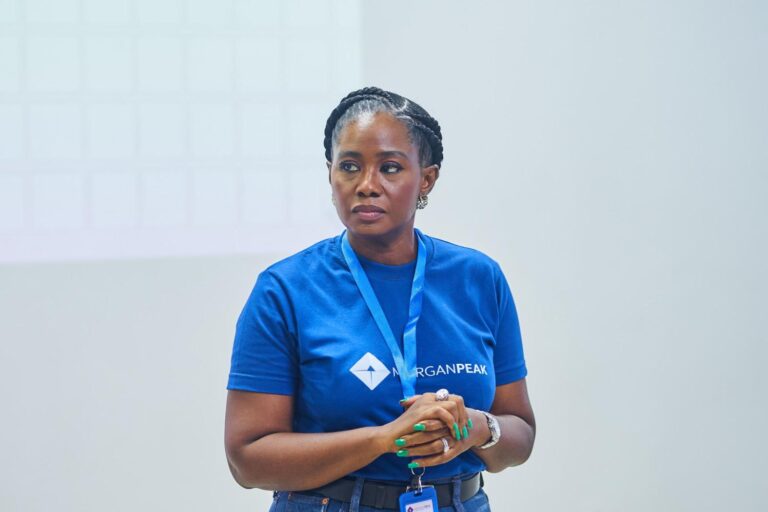
At MorganPeak, we’ve worked with several banks to deliver Strategic Sales and Relationship Management training rooted in soft skill development. The results have been powerful:
- Increased client acquisition and wallet share
- Stronger team morale and productivity
- More confident, strategic client conversations
One participant noted:
“I thought I knew my clients—until I learned how to really listen to them. This training helped me build better relationships and close more deals.”
Final Thoughts: The Human Advantage
As the banking industry continues to evolve—through digital transformation, regulatory change, and shifting customer expectations—the one constant is the power of human connection.
Soft skills are no longer optional. They are central to driving revenue, building trust, and future-proofing careers in banking.
Banks that invest in these capabilities today are the ones that will lead tomorrow.